

Embark on a journey through the realm of top nutrition plans for heart health, where the fusion of science and taste creates a harmonious balance for a healthier heart.
As we delve deeper into the intricacies of nutrition and its profound impact on heart health, a world of delectable yet beneficial foods unfolds before us, promising not only nourishment but also vitality.
Overview of Heart Health and Nutrition Plans
Heart health is crucial for overall well-being, and nutrition plays a vital role in maintaining a healthy heart. A balanced diet can help reduce the risk of heart disease and other cardiovascular issues.
Key Components of a Heart-Healthy Diet
- Include plenty of fruits and vegetables in your meals to provide essential vitamins, minerals, and fiber.
- Opt for whole grains like brown rice, whole wheat bread, and oats, which are rich in fiber and can help lower cholesterol levels.
- Choose lean sources of protein such as poultry, fish, beans, and nuts to reduce saturated fat intake.
- Limit intake of saturated and trans fats found in fried foods, processed snacks, and baked goods as they can increase cholesterol levels.
- Reduce sodium consumption by avoiding processed foods and opting for fresh ingredients seasoned with herbs and spices.
Impact of Nutrition on Heart Disease Risk
A diet high in unhealthy fats, sodium, and refined sugars can lead to obesity, high blood pressure, and high cholesterol levels, increasing the risk of heart disease. On the other hand, a heart-healthy diet rich in fruits, vegetables, whole grains, and lean proteins can help maintain a healthy heart and prevent cardiovascular issues.
Top Foods for Heart Health
Eating a well-balanced diet rich in heart-healthy foods is essential for maintaining cardiovascular health. Here are some top foods that are beneficial for heart health:
1. Fatty Fish
- Fatty fish like salmon, mackerel, and sardines are high in omega-3 fatty acids, which can help reduce inflammation and lower the risk of heart disease.
- Try incorporating grilled salmon with a side of roasted vegetables for a heart-healthy meal.
2. Berries
- Berries such as blueberries, strawberries, and raspberries are packed with antioxidants, fiber, and vitamins that support heart health.
- Create a nutritious berry smoothie bowl topped with nuts and seeds for a delicious and heart-healthy breakfast.
3. Nuts
- Nuts like almonds, walnuts, and pistachios are rich in healthy fats, fiber, and plant sterols that can help lower cholesterol levels.
- Make a homemade trail mix with mixed nuts and dried fruits for a heart-healthy snack on the go.
4. Whole Grains
- Whole grains like oats, quinoa, and brown rice are high in fiber, vitamins, and minerals that promote heart health.
- Prepare a hearty whole grain salad with quinoa, vegetables, and a vinaigrette dressing for a nutritious meal option.
Mediterranean Diet for Heart Health
The Mediterranean diet is a heart-healthy eating plan inspired by the traditional dietary patterns of countries bordering the Mediterranean Sea. It is known for its numerous health benefits, especially in reducing the risk of heart disease.
Main Principles of the Mediterranean Diet
- Emphasis on plant-based foods such as fruits, vegetables, whole grains, legumes, nuts, and seeds.
- Healthy fats are a key component, with olive oil being the primary source of fat.
- Moderate consumption of dairy products, poultry, eggs, and fish.
- Limit red meat intake and replace it with plant-based proteins.
- Herbs and spices are used to flavor foods instead of salt.
- Regular physical activity and social meals with family and friends are encouraged.
Research Supporting the Effectiveness of the Mediterranean Diet
Studies have shown that following the Mediterranean diet can significantly reduce the risk of heart disease and improve overall heart health. Research published in the New England Journal of Medicine found that individuals who adhered to the Mediterranean diet had a 30% lower risk of heart attack, stroke, or death from cardiovascular causes compared to those following a low-fat diet.
"The Mediterranean diet's emphasis on whole, nutrient-dense foods and healthy fats can help lower cholesterol levels, reduce inflammation, and improve blood vessel function, all of which are crucial for heart health."
DASH Diet for Heart Health
The DASH (Dietary Approaches to Stop Hypertension) diet is a nutritional plan specifically designed to lower blood pressure and improve heart health. It emphasizes consuming fruits, vegetables, whole grains, lean proteins, and low-fat dairy while limiting sodium, saturated fats, and added sugars.
Sample Meal Plan following the DASH Diet
- Breakfast: Greek yogurt with berries and almonds
- Snack: Carrot sticks with hummus
- Lunch: Grilled chicken salad with mixed greens and vinaigrette dressing
- Snack: Apple slices with peanut butter
- Dinner: Baked salmon with quinoa and steamed broccoli
Impact of the DASH Diet on Blood Pressure and Heart Disease Prevention
The DASH diet has been shown to significantly lower blood pressure, making it an effective way to reduce the risk of heart disease and stroke. By promoting the consumption of nutrient-dense foods and reducing the intake of sodium and unhealthy fats, the DASH diet helps improve overall cardiovascular health.
Studies have demonstrated that following the DASH diet can lead to lower cholesterol levels, improved insulin sensitivity, and better blood vessel function, all of which contribute to a healthier heart.
Importance of Nutrients for Heart Health
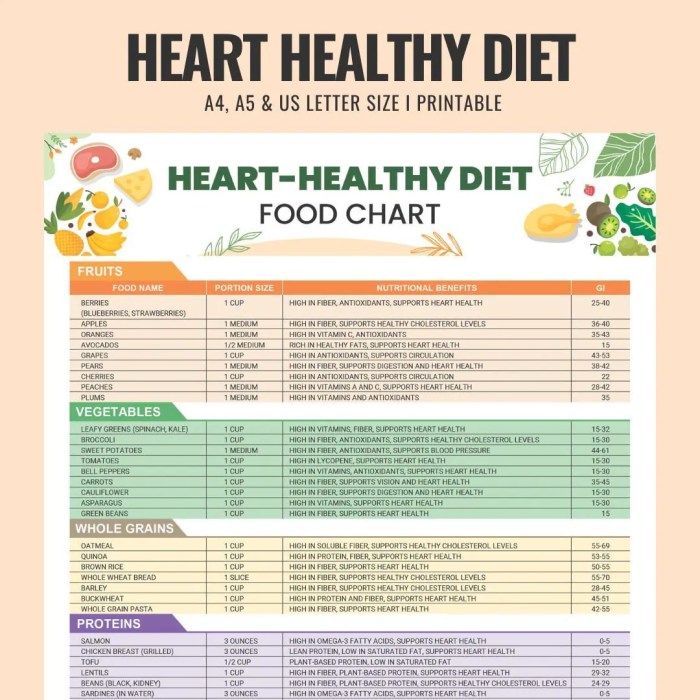
Eating a diet rich in specific nutrients is crucial for maintaining heart health and preventing cardiovascular diseases. Certain nutrients like omega-3 fatty acids, fiber, and antioxidants play a significant role in supporting heart health and overall well-being.
Omega-3 Fatty Acids
Omega-3 fatty acids are essential fats that have been shown to reduce inflammation, lower blood pressure, and decrease the risk of heart disease. Sources of omega-3s include fatty fish like salmon, mackerel, and sardines, as well as flaxseeds, chia seeds, and walnuts.
Incorporating these foods into your diet can help improve heart health and protect against cardiovascular issues.
Fiber
Fiber is important for heart health as it helps lower cholesterol levels, regulate blood sugar, and promote healthy digestion. Foods rich in fiber include whole grains, fruits, vegetables, legumes, and nuts. By including fiber-rich foods in your meals, you can support your heart and maintain optimal cardiovascular function.
Antioxidants
Antioxidants are compounds that help protect cells from damage caused by free radicals, which can contribute to heart disease. Sources of antioxidants include fruits like berries, citrus fruits, and grapes, as well as vegetables like spinach, kale, and bell peppers.
Including a variety of antioxidant-rich foods in your diet can help reduce inflammation and oxidative stress in the body, supporting heart health.
Last Recap
In conclusion, the exploration of top nutrition plans for heart health unveils a tapestry of flavors and nutrients that weave together to support a strong and resilient heart. Embrace these dietary strategies to nurture your heart and enhance your overall well-being.
FAQ Resource
What role do omega-3 fatty acids play in heart health?
Omega-3 fatty acids are essential for reducing inflammation, lowering blood pressure, and decreasing the risk of heart disease.
How can I incorporate antioxidants into my daily meals?
You can incorporate antioxidants by consuming foods like berries, dark chocolate, and pecans, or by adding spices like cinnamon and turmeric to your dishes.
What makes the Mediterranean diet beneficial for heart health?
The Mediterranean diet is rich in fruits, vegetables, whole grains, and healthy fats like olive oil, which collectively support heart health by reducing cholesterol and inflammation.
Can the DASH diet help prevent heart disease?
Yes, the DASH diet, which emphasizes fruits, vegetables, whole grains, and lean proteins, has been shown to lower blood pressure and reduce the risk of heart disease.

