

Exploring the impact of lifestyle on reversing prediabetes, this guide offers valuable insights into the role of diet, exercise, stress management, and sleep in combating this condition. With a focus on practical strategies and evidence-based information, readers will gain a deeper understanding of how lifestyle changes can make a difference in preventing the progression to type 2 diabetes.
This guide aims to empower individuals with prediabetes to take control of their health and well-being through sustainable lifestyle modifications that promote long-term health benefits.
Introduction to Prediabetes and its Reversal
Prediabetes is a condition where blood sugar levels are higher than normal but not high enough to be classified as diabetes. It serves as a warning sign that individuals are at risk of developing type 2 diabetes if preventive measures are not taken.
Lifestyle changes play a crucial role in reversing prediabetes and preventing its progression to full-blown diabetes. These changes include adopting a healthy diet, increasing physical activity, and maintaining a healthy weight.
Significance of Prediabetes
- According to the Centers for Disease Control and Prevention (CDC), an estimated 88 million adults in the United States have prediabetes.
- Without intervention, up to 30% of people with prediabetes will develop type 2 diabetes within five years.
- Prediabetes increases the risk of heart disease and stroke.
Understanding the Role of Lifestyle Changes
When it comes to reversing prediabetes, lifestyle changes play a crucial role in managing the condition effectively. By focusing on diet, physical activity, and other modifications, individuals can significantly improve their health and reduce the risk of developing type 2 diabetes.
Diet and Prediabetes Reversal
Diet plays a key role in reversing prediabetes as it directly impacts blood sugar levels and overall health. By following a balanced diet rich in whole foods, low in processed sugars and unhealthy fats, individuals can improve insulin sensitivity and reduce the risk of progression to diabetes.
- Eat plenty of fruits, vegetables, whole grains, and lean proteins.
- Avoid sugary beverages, processed foods, and excessive amounts of carbohydrates.
- Monitor portion sizes and practice mindful eating to prevent overeating.
- Consider consulting a nutritionist or dietitian for personalized meal planning.
Physical Activity and Prediabetes Management
Regular physical activity is essential for managing prediabetes as it helps improve insulin sensitivity, regulate blood sugar levels, and maintain a healthy weight. By incorporating exercise into daily routines, individuals can significantly reduce the risk of developing type 2 diabetes.
- Aim for at least 150 minutes of moderate-intensity aerobic exercise per week.
- Incorporate strength training exercises to build muscle and improve metabolism.
- Engage in activities you enjoy, such as walking, swimming, or cycling, to stay motivated.
- Set realistic goals and track your progress to stay on target with your fitness routine.
Lifestyle Modifications for Prediabetes Reversal
In addition to diet and exercise, several lifestyle modifications can help individuals reverse prediabetes and improve overall health outcomes. By making small but significant changes, individuals can take proactive steps towards better managing their condition and preventing the onset of type 2 diabetes.
- Get an adequate amount of quality sleep each night to support hormone regulation and metabolic function.
- Manage stress through relaxation techniques, mindfulness practices, or hobbies that promote mental well-being.
- Quit smoking and limit alcohol consumption to reduce the risk of complications associated with prediabetes.
- Regularly monitor blood sugar levels and attend follow-up appointments with healthcare providers for ongoing support and guidance.
Diet and Nutrition Strategies for Reversing Prediabetes
Eating the right foods and making smart nutrition choices play a crucial role in reversing prediabetes. By focusing on a balanced diet, managing sugar and carbohydrate intake, and practicing portion control, individuals can take control of their health and reduce the risk of developing type 2 diabetes.
Foods to Include in a Prediabetes-Reversal Diet
- Vegetables: Incorporate a variety of colorful vegetables into your meals to increase fiber intake and essential nutrients.
- Fruits: Choose whole fruits over fruit juices to benefit from fiber and antioxidants while managing sugar intake.
- Whole Grains: Opt for whole grains like quinoa, brown rice, and whole wheat bread to provide sustained energy and fiber.
- Lean Proteins: Include sources of lean protein such as poultry, fish, tofu, and legumes to support muscle health and satiety.
- Healthy Fats: Incorporate sources of healthy fats like avocados, nuts, seeds, and olive oil for heart health and overall well-being.
Impact of Sugar and Carbohydrates on Prediabetes
-
Sugar and refined carbohydrates can lead to spikes in blood sugar levels, increasing insulin resistance and the risk of developing type 2 diabetes.
- Limiting the intake of sugary foods and beverages, as well as refined grains like white bread and pastries, can help stabilize blood sugar levels and improve insulin sensitivity.
Significance of Portion Control and Meal Timing in Managing Prediabetes
- Practicing portion control by measuring food quantities and avoiding oversized servings can prevent overeating and manage blood sugar levels.
- Eating balanced meals with a combination of carbohydrates, proteins, and fats at regular intervals throughout the day can help regulate blood sugar and prevent spikes.
- Avoiding late-night snacking and spacing meals evenly throughout the day can support stable energy levels and insulin function.
Physical Activity and Exercise Regimens
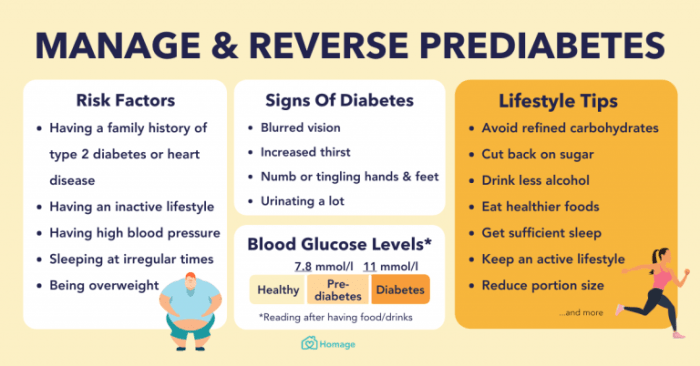
Regular physical activity plays a crucial role in reversing prediabetes. Exercise helps improve insulin sensitivity, lower blood sugar levels, and reduce the risk of developing type 2 diabetes. It is essential to incorporate various types of exercises into your routine to maximize the benefits.
Types of Exercises Beneficial for Individuals with Prediabetes
- Aerobic Exercises: Activities like walking, jogging, cycling, or swimming help increase heart rate and improve cardiovascular health.
- Strength Training: Resistance exercises using weights or resistance bands help build muscle mass and improve metabolism.
- Flexibility Exercises: Stretching exercises improve flexibility, joint mobility, and reduce the risk of injury.
Importance of Regular Physical Activity in Reversing Prediabetes
Regular physical activity not only helps in managing weight but also improves blood circulation, reduces stress, and enhances overall well-being. It helps the body utilize glucose more efficiently, thereby lowering blood sugar levels and reducing insulin resistance.
Tips for Incorporating Exercise into Daily Routines for Prediabetes Management
- Schedule regular workout sessions: Set aside specific times during the week dedicated to exercise.
- Choose activities you enjoy: Find physical activities that you find enjoyable to stay motivated and consistent.
- Start small and gradually increase intensity: Begin with shorter durations and lower intensity levels, then progress as you build stamina and strength.
- Include movement throughout the day: Take short walks, use stairs instead of elevators, or engage in active hobbies to increase daily physical activity levels.
Stress Management and Sleep Health
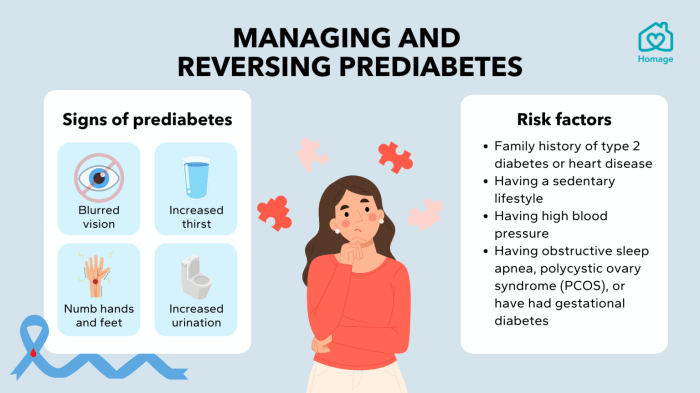
Stress and sleep play a crucial role in the management and reversal of prediabetes. Understanding how these factors impact the body can help individuals make lifestyle changes to improve their overall health.
The Relationship Between Stress, Sleep, and Prediabetes
Stress can lead to unhealthy habits such as poor eating choices, lack of physical activity, and disrupted sleep patterns, all of which can contribute to the development of prediabetes. Chronic stress can also affect blood sugar levels and insulin resistance, increasing the risk of developing diabetes.
On the other hand, inadequate sleep can disrupt hormone levels, leading to insulin resistance and weight gain, both of which are risk factors for prediabetes.
Relaxation Techniques for Managing Stress
- Practice deep breathing exercises to calm the mind and body.
- Engage in yoga or meditation to reduce stress levels and promote relaxation.
- Take regular breaks throughout the day to relax and unwind.
- Connect with loved ones or seek professional help if stress becomes overwhelming.
Tips for Improving Sleep Quality
- Establish a bedtime routine to signal to your body that it's time to wind down.
- Avoid electronic devices before bed, as the blue light can interfere with melatonin production.
- Create a comfortable sleep environment by keeping the room cool, dark, and quiet.
- Avoid caffeine and heavy meals close to bedtime to prevent disruptions in sleep.
Epilogue
In conclusion, the key to reversing prediabetes lies in embracing a holistic approach to health that prioritizes nutrition, physical activity, stress management, and quality sleep. By making conscious choices and adopting healthy habits, individuals can significantly reduce their risk of developing diabetes and lead fulfilling, healthy lives.
FAQ Insights
Can prediabetes be reversed completely?
While prediabetes can be reversed through lifestyle changes, it is important to maintain these habits long-term to prevent its recurrence.
What are the best exercises for reversing prediabetes?
Exercises such as aerobic activities, strength training, and flexibility exercises can all be beneficial for individuals with prediabetes.
How does stress impact prediabetes?
Stress can contribute to insulin resistance and unhealthy lifestyle choices, making it crucial to manage stress effectively for prediabetes reversal.
Is there a specific diet plan for reversing prediabetes?
A balanced diet rich in fruits, vegetables, whole grains, lean proteins, and healthy fats is recommended for reversing prediabetes.

