

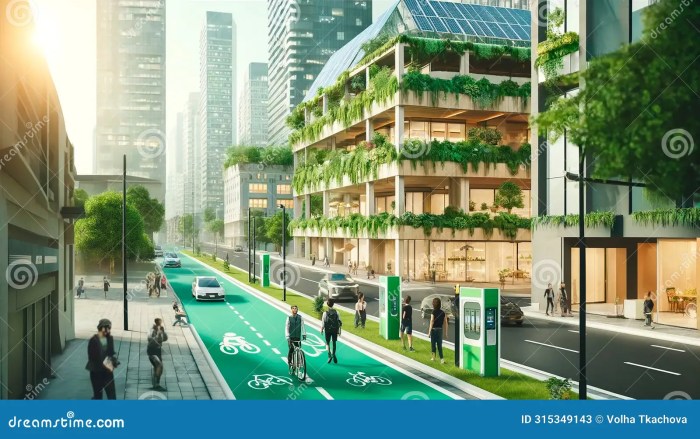
As Sustainable healthy lifestyle for urban living takes center stage, this opening passage beckons readers into a world crafted with good knowledge, ensuring a reading experience that is both absorbing and distinctly original. In today's fast-paced urban environments, the need for sustainable healthy living practices has never been more crucial.
Let's delve into the ways in which urban dwellers can embrace a lifestyle that promotes well-being while also being mindful of the environment.
Sustainable healthy lifestyle for urban living
Living a sustainable healthy lifestyle in urban areas involves making conscious choices to minimize environmental impact while prioritizing health and well-being. It means adopting practices that are not only good for your own health but also for the planet.
Examples of sustainable practices
- Using public transportation, biking, or walking instead of driving to reduce carbon emissions and promote physical activity.
- Eating locally sourced and organic foods to support local farmers and reduce the carbon footprint associated with food transportation.
- Reducing single-use plastic consumption by using reusable bags, water bottles, and containers to minimize waste.
Benefits of adopting a sustainable healthy lifestyle in urban areas
- Improved air quality due to reduced pollution from fewer cars on the road.
- Enhanced physical health from increased exercise and consumption of fresh, whole foods.
- Supporting local economies by purchasing goods from nearby businesses and farmers.
Nutrition in urban living
Ensuring proper nutrition is essential for maintaining a healthy lifestyle, especially in a fast-paced city environment where convenience often trumps health.
Local and Sustainable Food Sources
Urban dwellers can access a variety of local and sustainable food sources to support their nutritional needs. Farmer's markets, community-supported agriculture (CSA) programs, and urban gardens are great options to find fresh, locally grown produce.
Tips for Meal Planning and Healthy Eating Habits
- Plan your meals ahead of time to avoid relying on unhealthy fast food options.
- Include a variety of fruits, vegetables, whole grains, and lean proteins in your diet.
- Avoid sugary drinks and opt for water or herbal teas instead.
- Cook at home more often to control the ingredients and portion sizes of your meals.
- Try to limit processed foods and choose whole, nutrient-dense options whenever possible.
Physical activity in urban environments
Staying physically active in urban settings can be challenging due to limited space and busy schedules. However, there are creative ways to incorporate exercise into your daily routine to improve your overall health and well-being.
Walking and Cycling
Walking or cycling to work, the grocery store, or other nearby destinations is a great way to stay active in the city
Outdoor Fitness Stations
Many urban parks are equipped with outdoor fitness stations that offer a variety of workout options such as pull-up bars, parallel bars, and balance beams. These stations provide a free and accessible way to engage in strength training and calisthenics.
Dance Classes and Yoga Studios
Joining dance classes or yoga studios in urban areas can be a fun and social way to stay active. These activities not only improve flexibility and balance but also help reduce stress and promote mental well-being.
Group Exercise Classes
Many cities offer group exercise classes in public spaces or fitness centers. These classes, ranging from Zumba to boot camps, provide a supportive environment to stay motivated and accountable in your fitness journey.
Impact of Physical Activity
Regular physical activity in urban environments has numerous benefits for overall health and well-being. It helps reduce the risk of chronic diseases such as obesity, heart disease, and diabetes. Additionally, exercise releases endorphins, which can boost mood and energy levels, making it easier to cope with the stresses of city living.
Mental well-being in urban areas
Living in a fast-paced urban environment can take a toll on mental well-being. It is essential to have strategies in place to manage stress and promote mental health for a sustainable healthy lifestyle in urban living.
Strategies for managing stress and promoting mental health
- Engage in regular physical activity: Exercise releases endorphins that help reduce stress and improve mood.
- Practice mindfulness and meditation: Take time to focus on the present moment and calm the mind amidst the chaos of city life.
- Connect with nature: Find green spaces in the city to relax and rejuvenate, connecting with nature can have a calming effect on the mind.
- Seek support: Don't hesitate to reach out to friends, family, or a mental health professional for support when needed.
Mindfulness techniques for urban environments
- Deep breathing exercises: Take a few moments to focus on your breath and calm your mind in the midst of a busy day.
- Body scan meditation: Scan your body from head to toe, noticing any tension or discomfort, and consciously releasing it.
- Walking meditation: Practice mindful walking by focusing on each step and being aware of your surroundings as you move through the city streets.
Importance of mental well-being in urban living
Mental well-being is a crucial aspect of a sustainable healthy lifestyle in urban areas. It not only impacts our overall health and quality of life but also influences our ability to cope with the challenges of city living. Prioritizing mental health helps us stay resilient, focused, and emotionally balanced in the face of urban stressors.
Wrap-Up
In conclusion, adopting a sustainable healthy lifestyle in urban areas not only benefits individuals but also contributes to the overall well-being of the community. By incorporating sustainable practices into daily routines, urban residents can pave the way for a healthier and more environmentally conscious future.
Essential FAQs
How can I incorporate sustainable practices into my daily urban life?
Some simple ways to do this include using reusable bags, opting for public transportation or biking, and supporting local businesses that prioritize sustainability.
What are some local and sustainable food sources urban dwellers can access?
Farmers markets, community-supported agriculture (CSA) programs, and local organic grocery stores are great options for accessing fresh and sustainable food in urban areas.
Why is mental well-being important in a sustainable healthy lifestyle for urban living?
Mental well-being plays a crucial role in overall health and sustainability. By managing stress and promoting mental health, individuals can lead more fulfilling lives and contribute positively to their communities.

