

Embark on the journey of creating a stress-free healthy lifestyle routine with valuable insights and practical tips. This topic delves into the essential aspects of establishing a balanced and fulfilling daily regimen.
Exploring the significance of routine, physical activity, healthy eating habits, and mindfulness techniques, this guide aims to empower individuals in cultivating a harmonious lifestyle.
Establishing a Routine
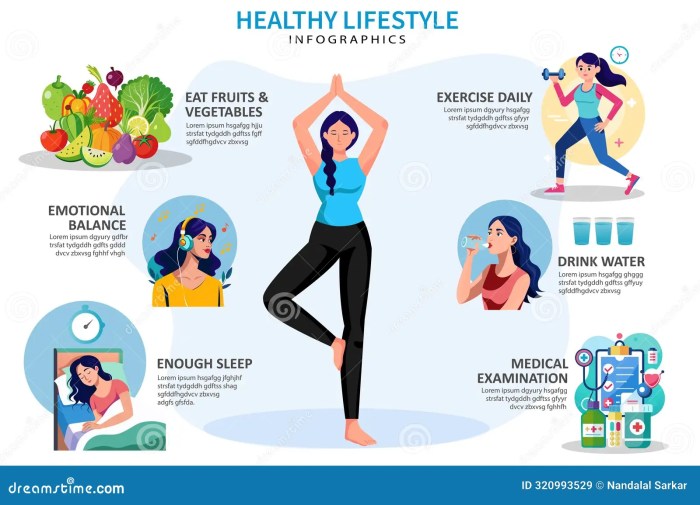
Having a consistent daily schedule is crucial for maintaining a stress-free healthy lifestyle. It helps create a sense of stability, predictability, and control in our lives, which can significantly reduce stress levels.
The Importance of Routine
Creating a structured routine not only helps in managing time effectively but also plays a vital role in promoting mental and physical well-being. Routine allows us to prioritize tasks, allocate time for self-care activities, and ensure a balanced lifestyle.
- Plan your day ahead: Start by outlining your daily activities and setting realistic goals. This will help you stay organized and focused throughout the day.
- Establish a morning routine: Starting your day with a healthy morning routine, such as meditation, exercise, or a nutritious breakfast, sets a positive tone for the rest of the day.
- Schedule breaks and relaxation time: Incorporating short breaks and moments of relaxation throughout your day can help reduce stress and prevent burnout.
- Stick to a sleep schedule: Maintaining a consistent sleep routine is essential for overall health. Aim for 7-9 hours of quality sleep each night.
Consistency is key when it comes to establishing a routine. By following a structured daily schedule, you can create a sense of stability and reduce stress in your life.
Benefits of Following a Routine
Following a routine can have a positive impact on various aspects of your life, including mental health, productivity, and overall well-being.
- Reduced stress and anxiety: Knowing what to expect each day can reduce feelings of uncertainty and anxiety, leading to a more relaxed state of mind.
- Improved productivity: A structured routine can help you stay focused, prioritize tasks, and accomplish goals more efficiently.
- Better physical health: By incorporating healthy habits into your daily routine, such as regular exercise and nutritious meals, you can improve your overall physical health and well-being.
- Enhanced mental well-being: Consistency in daily activities can promote a sense of control, stability, and purpose, contributing to better mental health.
Physical Activity
Regular exercise plays a crucial role in reducing stress levels and promoting a healthy lifestyle. Physical activity helps release endorphins, which are known as the body's natural mood lifters. It also improves overall physical health, boosts energy levels, and enhances sleep quality.
Types of Physical Activities
- Cardiovascular exercises: Activities like running, cycling, or dancing that elevate the heart rate and improve cardiovascular health.
- Strength training: Weight lifting or bodyweight exercises that help build muscle mass and increase metabolism.
- Yoga: Combines physical postures, breathing techniques, and meditation to promote relaxation and reduce stress.
- Pilates: Focuses on core strength, flexibility, and body awareness through controlled movements.
Setting Realistic Fitness Goals
- Start small: Begin with achievable goals and gradually increase intensity or duration as you progress.
- Be specific: Define clear objectives such as running a certain distance, lifting a particular weight, or mastering a yoga pose.
- Track progress: Keep a workout journal or use fitness apps to monitor your advancements and stay motivated.
- Reward yourself: Celebrate milestones with non-food rewards like a spa day, new workout gear, or a movie night.
Healthy Eating Habits
Maintaining a balanced diet is crucial for managing stress levels as what we eat directly impacts our physical and mental well-being. A healthy diet provides the necessary nutrients to support our body's functions and helps regulate mood and stress responses.
Meal Planning and Preparation
Planning and preparing meals in advance can greatly support a healthy lifestyle. Here are some practical tips to help you get started:
- Make a weekly meal plan with a variety of nutritious foods such as fruits, vegetables, whole grains, lean proteins, and healthy fats.
- Batch cook meals to save time during the week and ensure you have healthy options readily available.
- Choose simple recipes that are easy to prepare and include a balance of different food groups.
- Keep healthy snacks on hand to avoid reaching for processed or unhealthy options when hunger strikes.
Nutrition and Mental Health
The impact of nutrition on mental health and stress management cannot be underestimated. A diet rich in vitamins, minerals, and antioxidants can help reduce inflammation in the body and support brain health. Consuming omega-3 fatty acids, found in fatty fish like salmon and nuts, has been linked to improved mood and decreased risk of depression.
Additionally, staying hydrated and limiting intake of sugar and processed foods can help stabilize mood and energy levels.
Mindfulness and Relaxation Techniques
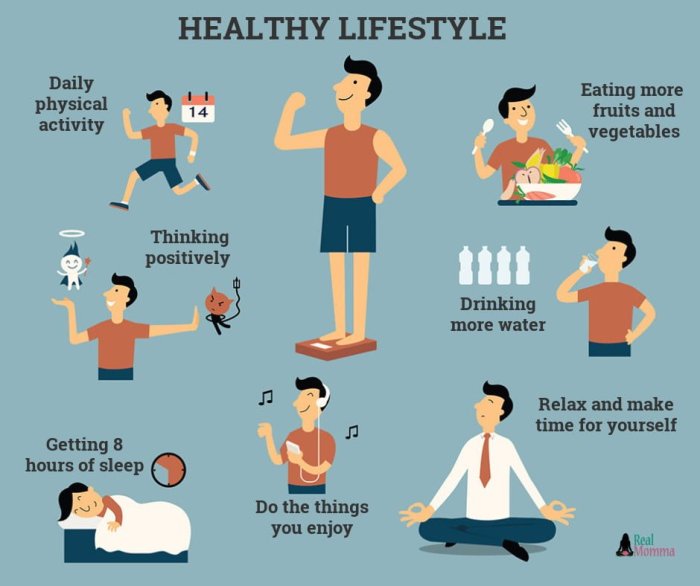
Practicing mindfulness and incorporating relaxation techniques into your daily routine can significantly reduce stress levels and improve overall well-being.
Benefits of Mindfulness Practices
- Enhances self-awareness and emotional regulation.
- Reduces anxiety, depression, and negative emotions.
- Improves focus, concentration, and cognitive flexibility.
- Promotes better sleep and overall mental health.
Incorporating Relaxation Techniques
It's essential to find moments throughout your day to engage in relaxation techniques such as meditation or deep breathing exercises:
- Set aside a few minutes each day for mindfulness meditation to calm the mind and body.
- Practice deep breathing exercises to reduce stress and increase relaxation.
- Use guided imagery or progressive muscle relaxation techniques to unwind and destress.
Importance of Self-Care and Stress Management
- Make self-care a priority by scheduling time for activities that bring you joy and relaxation.
- Manage stress effectively through mindfulness practices to prevent burnout and improve mental well-being.
- Take breaks when needed and listen to your body's signals for rest and relaxation.
Last Point
In conclusion, building a stress-free healthy lifestyle routine is a transformative process that enhances overall well-being and vitality. By incorporating these strategies into your daily life, you can embark on a path towards a healthier and happier you.
Clarifying Questions
How important is a consistent daily schedule for a stress-free lifestyle?
A consistent daily schedule helps maintain stability and reduces decision fatigue, leading to a more balanced and stress-free life.
What are some examples of relaxation techniques to incorporate into daily life?
Relaxation techniques like meditation, deep breathing exercises, and mindfulness practices can effectively reduce stress levels and improve overall well-being.
How does nutrition impact stress management and mental health?
Nutrition plays a crucial role in managing stress levels and supporting mental health. A balanced diet rich in essential nutrients can positively influence overall well-being.

