

Exploring the early warning signs of poor cardiovascular health sheds light on crucial symptoms that should not be overlooked. By delving into how these signs manifest in daily life, we gain a deeper understanding of the impact they can have.
Let's embark on a journey to uncover these signs and learn how to address them effectively.
Early warning signs of poor cardiovascular health
Cardiovascular health plays a crucial role in overall well-being. Recognizing early warning signs of poor cardiovascular health is essential for timely intervention and prevention of serious complications.
Identifying common symptoms
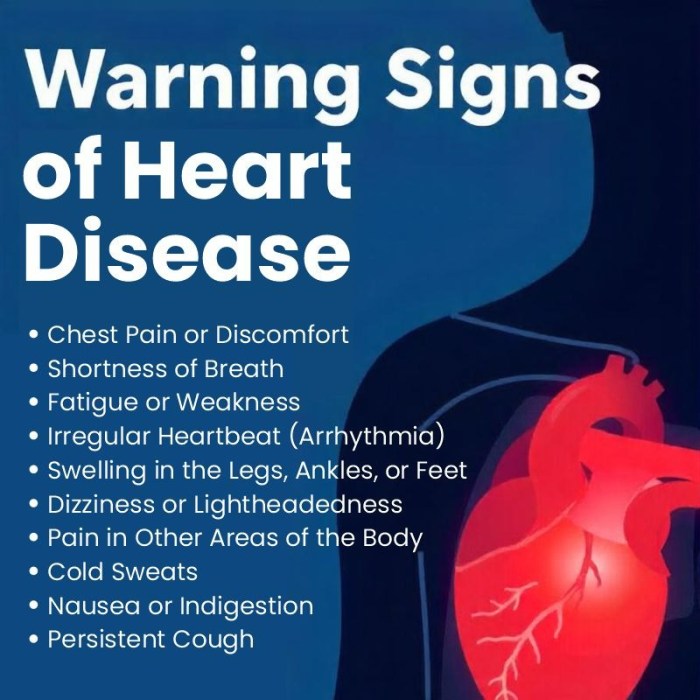
Common symptoms associated with poor cardiovascular health include:
- Chest pain or discomfort
- Shortness of breath
- Irregular heartbeat
- Fatigue
Manifestation in everyday life
These symptoms may manifest in everyday life through various activities or routines. For example:
- Feeling chest pain or discomfort during physical exertion such as climbing stairs or exercising
- Experiencing shortness of breath while performing simple tasks like walking or talking
- Noticing irregular heartbeats during moments of stress or anxiety
- Feeling unusually fatigued even after getting adequate rest
Examples of warning signs
Some warning signs that should not be ignored include:
- Recurrent chest pain that radiates to the arms, neck, or jaw
- Sudden onset of extreme fatigue or weakness
- Swelling in the legs, ankles, or feet
- Dizziness or lightheadedness, especially when standing up
Risk factors for poor cardiovascular health
When it comes to cardiovascular health, there are various risk factors that can contribute to heart issues. These factors can be divided into lifestyle choices, genetic predispositions, and other elements that may increase the likelihood of developing cardiovascular problems.
Lifestyle factors contributing to cardiovascular issues
- Poor diet: Consuming high amounts of saturated fats, cholesterol, and processed foods can contribute to clogged arteries and high blood pressure.
- Lack of exercise: Sedentary lifestyles can lead to weight gain, high cholesterol, and increased risk of heart disease.
- Smoking: Tobacco use damages blood vessels, increases blood pressure, and raises the risk of heart attacks and strokes.
- Excessive alcohol consumption: Drinking too much alcohol can raise blood pressure and contribute to heart failure.
Role of genetics in predisposing individuals to heart problems
Genetics can play a significant role in determining an individual's risk of developing cardiovascular issues. Family history of heart disease, high cholesterol, and other genetic factors can increase the likelihood of experiencing heart problems at some point in life.
Modifiable and non-modifiable risk factors
| Modifiable Risk Factors | Non-Modifiable Risk Factors |
|
|
Screening and diagnostic tests for cardiovascular health
Routine screenings are crucial for the early detection of heart problems, allowing for timely intervention and treatment. These screenings can help identify risk factors and underlying issues that may lead to cardiovascular disease.
Electrocardiogram (ECG or EKG)
An ECG is a common diagnostic test that records the electrical activity of the heart. It can detect irregularities in heart rhythm, signs of a heart attack, or other heart conditions. ECGs are often recommended for individuals with symptoms like chest pain or shortness of breath.
Echocardiogram
An echocardiogram uses sound waves to create images of the heart's structure and function. It can assess the pumping ability of the heart, detect abnormalities in the heart valves, and evaluate the overall health of the heart muscle. Echocardiograms are typically recommended for individuals with known heart conditions or symptoms of heart failure.
Cardiac Stress Test
A cardiac stress test measures the heart's ability to respond to stress and exercise. It can help diagnose coronary artery disease, evaluate heart function during physical activity, and assess the effectiveness of treatment. Stress tests are often recommended for individuals with chest pain, shortness of breath, or other symptoms of heart disease.
Coronary Angiography
Coronary angiography is an invasive procedure that uses contrast dye and X-rays to visualize the blood flow in the coronary arteries. It can identify blockages or narrowing in the arteries that supply blood to the heart. This test is typically recommended for individuals with symptoms of coronary artery disease or those at high risk for heart attacks.
Preventive measures and lifestyle changes
Maintaining a healthy heart involves making key lifestyle changes that can significantly reduce the risk of cardiovascular issues. By focusing on diet, exercise, stress management, and overall well-being, you can take proactive steps to protect your heart health.
Significance of Diet and Exercise
Eating a balanced diet rich in fruits, vegetables, whole grains, lean proteins, and healthy fats is essential for heart health. Avoiding processed foods, excess sugar, and saturated fats can help lower cholesterol levels and reduce the risk of heart disease.
Regular physical activity, such as aerobic exercises, strength training, and flexibility exercises, can improve cardiovascular fitness, lower blood pressure, and maintain a healthy weight.
Tips to Reduce Stress and Improve Well-being
Stress can have a significant impact on heart health, so it's important to find ways to manage stress effectively. Engaging in relaxation techniques like deep breathing, meditation, yoga, or tai chi can help reduce stress levels. Prioritizing sleep, maintaining social connections, and pursuing hobbies or activities that bring joy can also contribute to overall well-being and heart health.
Outcome Summary
In conclusion, being aware of the early warning signs of poor cardiovascular health is essential for maintaining overall well-being. By recognizing these signs and taking proactive steps, we can safeguard our heart health and lead a fulfilling life. Stay informed, stay healthy.
FAQ Insights
What are some common symptoms of poor cardiovascular health?
Common symptoms include chest pain, shortness of breath, dizziness, and fatigue.
How do lifestyle factors contribute to cardiovascular issues?
Lifestyle factors such as smoking, poor diet, and lack of exercise can increase the risk of cardiovascular problems.
When should diagnostic tests for cardiovascular health be recommended?
Diagnostic tests are typically recommended when symptoms like chest pain or palpitations are present, or as part of routine check-ups for at-risk individuals.

