

Diving into the realm of AI in healthcare and its implications for patients, this introduction aims to captivate readers with a compelling narrative that sheds light on the transformative power of artificial intelligence in the medical field.
The following paragraphs will delve deeper into the impact of AI on patient care, personalized medicine, diagnostics, remote monitoring, and ethical considerations, providing a comprehensive overview of this evolving landscape.
Importance of AI in healthcare
AI in healthcare is revolutionizing the way patients receive treatment and care, providing numerous benefits that enhance patient outcomes and experiences. By leveraging advanced technology, AI is transforming the healthcare industry and improving the quality of patient care in various ways.
Enhanced Diagnostics and Personalized Treatment
AI applications such as machine learning algorithms can analyze vast amounts of medical data to assist healthcare providers in accurately diagnosing diseases and conditions. By identifying patterns and trends that may be overlooked by human practitioners, AI helps in early detection and personalized treatment plans tailored to individual patients.
- AI-powered diagnostic tools can interpret imaging scans, such as X-rays and MRIs, with high accuracy, leading to quicker and more precise diagnoses.
- Virtual health assistants powered by AI can provide patients with real-time information and guidance on managing their health conditions and medications.
Streamlined Administrative Processes
AI technologies automate administrative tasks in healthcare facilities, reducing paperwork and enabling healthcare providers to focus more on patient care. This efficiency not only saves time but also minimizes errors in scheduling appointments, managing medical records, and processing insurance claims.
- AI-driven chatbots and virtual assistants can handle patient inquiries, appointment scheduling, and follow-ups, improving communication and accessibility for patients.
- Predictive analytics tools powered by AI can forecast patient demand, optimize resource allocation, and streamline operational workflows in healthcare settings.
Improved Patient Outcomes and Experiences
By enhancing the accuracy and efficiency of medical procedures and treatments, AI contributes to better patient outcomes and experiences. Patients benefit from reduced wait times, personalized care plans, and increased access to healthcare services, ultimately leading to improved overall well-being.
- AI-enabled monitoring devices can track patient vitals remotely, alerting healthcare providers to any abnormalities and enabling timely interventions to prevent complications.
- Virtual reality simulations powered by AI can help patients prepare for surgeries, manage pain, and undergo rehabilitation, enhancing their recovery process and overall satisfaction with care.
Personalized medicine with AI
AI plays a crucial role in revolutionizing healthcare by enabling personalized treatment plans for patients. This approach takes into account individual differences in genetics, lifestyle, and environment to tailor healthcare decisions specifically to each patient's needs.
AI tools for personalized treatment
- AI algorithms can analyze vast amounts of patient data, including genetic information, medical history, and lifestyle factors, to identify patterns and correlations that can inform personalized treatment plans.
- Machine learning models can predict how a patient will respond to a particular treatment based on their unique characteristics, helping healthcare providers make more informed decisions.
- AI-powered virtual assistants can provide patients with personalized recommendations for managing chronic conditions, monitoring their health, and adhering to treatment plans.
Predicting patient responses
- AI can analyze data from similar patient populations to predict how an individual patient is likely to respond to a specific medication or therapy, reducing the risk of adverse reactions and improving treatment outcomes.
- By continuously analyzing patient data in real-time, AI can adjust treatment plans and dosages to optimize effectiveness and minimize side effects, leading to more personalized and efficient healthcare delivery.
Enhancing diagnostics and early detection
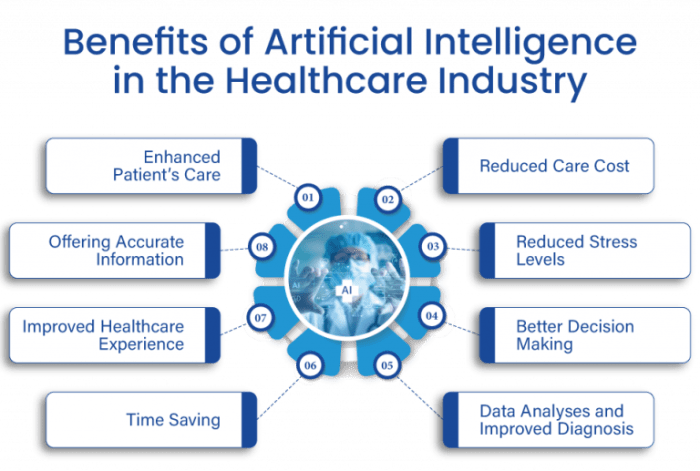
AI plays a crucial role in improving diagnostic accuracy and aiding in the early detection of diseases in healthcare. By leveraging advanced algorithms and machine learning techniques, AI can analyze vast amounts of medical data quickly and efficiently, leading to more precise and timely diagnoses.
AI technologies for early disease detection
AI technologies such as machine learning algorithms, deep learning models, and computer vision systems are transforming the landscape of early disease detection. For example, AI-powered imaging tools can analyze medical images, such as X-rays and MRIs, to identify subtle abnormalities that may be missed by the human eye.
These technologies enable healthcare providers to detect diseases like cancer, cardiovascular conditions, and neurological disorders at earlier stages, improving treatment outcomes and patient survival rates.
Benefits of AI in pre-symptomatic identification
One of the key advantages of AI in healthcare is its ability to identify health issues before symptoms manifest. By analyzing patient data, including genetic information, medical history, and lifestyle factors, AI algorithms can predict the risk of developing certain diseases and recommend preventive measures.
This proactive approach allows healthcare professionals to intervene early, potentially preventing the progression of diseases and reducing the overall healthcare burden
Remote monitoring and telehealth with AI
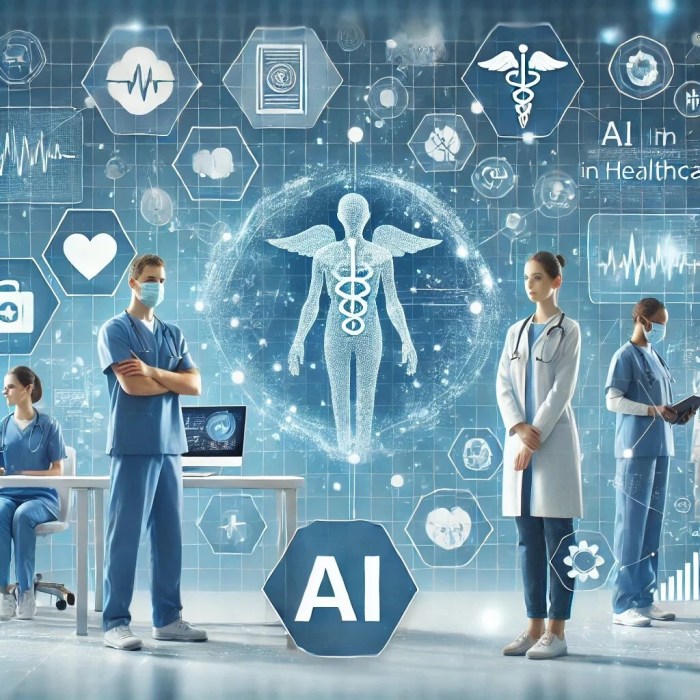
AI plays a significant role in enabling remote monitoring of patients' health data, revolutionizing the way healthcare services are delivered. By analyzing real-time data and providing insights, AI helps healthcare professionals make informed decisions even when patients are not physically present.
AI-powered telehealth solutions
- One example of AI-powered telehealth solution is remote patient monitoring systems that continuously collect and analyze data from wearable devices, such as smartwatches or fitness trackers. These devices can track vital signs, activity levels, and other health metrics, alerting healthcare providers to any concerning changes.
- Another example is virtual health assistants that use AI algorithms to interact with patients, provide personalized health recommendations, and assist in scheduling appointments or medication reminders. These virtual assistants can enhance patient engagement and adherence to treatment plans.
Advantages of using AI for virtual consultations
- Improved access to healthcare: AI-powered telehealth solutions enable patients to receive medical care remotely, regardless of their location. This is especially beneficial for individuals in rural or underserved areas who may have limited access to healthcare facilities.
- Enhanced efficiency: Virtual consultations powered by AI can streamline the healthcare process, reducing waiting times and allowing healthcare providers to see more patients in a day. This efficiency helps in optimizing resources and improving overall patient care.
- Cost-effectiveness: By reducing the need for in-person visits, AI-driven telehealth solutions can lower healthcare costs for both patients and providers. This cost-effectiveness makes healthcare more accessible and affordable for a wider population.
Ethical considerations in AI-driven healthcare
AI-driven healthcare brings about a myriad of ethical considerations that need to be carefully addressed to ensure patient safety and privacy. As artificial intelligence continues to revolutionize the healthcare industry, it is crucial to explore the implications of utilizing AI in patient care.
Privacy and Data Security
AI in healthcare raises concerns about the privacy and security of patient data. With the vast amount of sensitive information being processed by AI algorithms, there is a risk of data breaches and unauthorized access. Healthcare providers must implement robust security measures to safeguard patient data and ensure compliance with privacy regulations.
Bias in AI Algorithms
Another ethical concern in AI-driven healthcare is the potential for bias in AI algorithms. Biases in data collection or algorithm design can lead to discriminatory outcomes, affecting patient care and treatment decisions. Healthcare providers must regularly audit their AI systems to detect and mitigate biases, ensuring fair and equitable treatment for all patients.
Informed Consent and Transparency
When implementing AI technologies in patient care, healthcare providers must prioritize informed consent and transparency. Patients should be fully informed about the use of AI in their treatment and understand how their data is being utilized. Transparent communication and clear consent processes are essential to uphold ethical standards in AI-driven healthcare.
Accountability and Oversight
Ensuring accountability and oversight is crucial in AI-driven healthcare to address ethical challenges. Healthcare providers must establish clear protocols for monitoring and evaluating AI systems, as well as mechanisms for addressing potential issues or errors. By maintaining accountability and oversight, healthcare organizations can uphold ethical standards and promote patient trust in AI technologies.
Final Conclusion
In conclusion, the discussion on AI in healthcare for patients underscores the significant strides made possible by technology in improving medical outcomes and patient experiences. As AI continues to shape the future of healthcare, it is crucial to navigate the ethical considerations and leverage the benefits for enhanced patient care.
FAQ Compilation
How is AI transforming healthcare for patients?
AI is revolutionizing healthcare by streamlining processes, improving diagnosis accuracy, and personalizing treatment plans to cater to individual patient needs.
What are the benefits of AI in identifying health issues before symptoms appear?
AI aids in early disease detection by analyzing vast amounts of data to detect subtle patterns or abnormalities that may signify potential health issues before symptoms manifest.
How does AI facilitate remote monitoring of patients' health data?
AI enables continuous monitoring of patients' health metrics remotely, allowing healthcare providers to intervene promptly if any concerning trends or anomalies are detected.
What ethical challenges arise from using AI in patient care?
Ethical considerations in AI-driven healthcare include concerns about privacy, data security, and the potential biases present in AI algorithms that could impact patient outcomes.

