

Exploring the intricate connection between digital lifestyle and mental health unveils a landscape of complexities that shape our well-being in the digital age. As we navigate this terrain, it becomes evident that our digital choices carry substantial weight in influencing our mental health outcomes.
Delving deeper into the nuances of this relationship sheds light on both the detrimental and advantageous impacts that our digital interactions can have on our psychological states.
Introduction to Digital Lifestyle and Mental Health
In today's modern world, digital lifestyle refers to the way individuals interact with technology on a daily basis. This includes the use of smartphones, social media, online entertainment, and other digital tools. The relationship between digital lifestyle and mental health is complex, with both positive and negative impacts on an individual's well-being.
Positive Impacts of Digital Lifestyle on Mental Health
- Digital tools such as meditation apps and online therapy platforms provide convenient access to mental health resources.
- Virtual support groups and online communities offer a sense of belonging and connection, especially for individuals facing isolation or stigma.
- Telehealth services enable individuals to access mental health care from the comfort of their own homes, reducing barriers to treatment.
Negative Impacts of Digital Lifestyle on Mental Health
- Excessive screen time and social media usage have been linked to increased feelings of anxiety, depression, and loneliness.
- Cyberbullying and online harassment can have detrimental effects on mental health, leading to feelings of shame, guilt, and low self-esteem.
- The constant need to be connected and available online can contribute to feelings of burnout and overwhelm, impacting overall mental well-being.
Negative Effects of Digital Lifestyle on Mental Health
Excessive screen time and digital addiction can have detrimental effects on mental health, impacting individuals in various ways. Let's explore some common negative impacts of digital lifestyle on mental well-being.
Role of Social Media
Social media plays a significant role in affecting mental health, with studies showing a correlation between excessive social media use and increased feelings of loneliness, anxiety, and depression. The constant comparison to others' curated lives on social media platforms can lead to a decrease in self-esteem and overall life satisfaction.
Additionally, the pressure to present a perfect image online can contribute to stress and feelings of inadequacy.
Digital Addiction and Mental Health Issues
Digital addiction, characterized by an uncontrollable urge to use digital devices, can lead to a host of mental health issues. Excessive screen time has been linked to symptoms of ADHD, anxiety, depression, and sleep disturbances. The constant stimulation from digital devices can disrupt normal brain function, leading to difficulties in concentration, memory, and emotional regulation.
It can also contribute to a sedentary lifestyle, further exacerbating mental health concerns.
Positive Effects of Digital Lifestyle on Mental Health
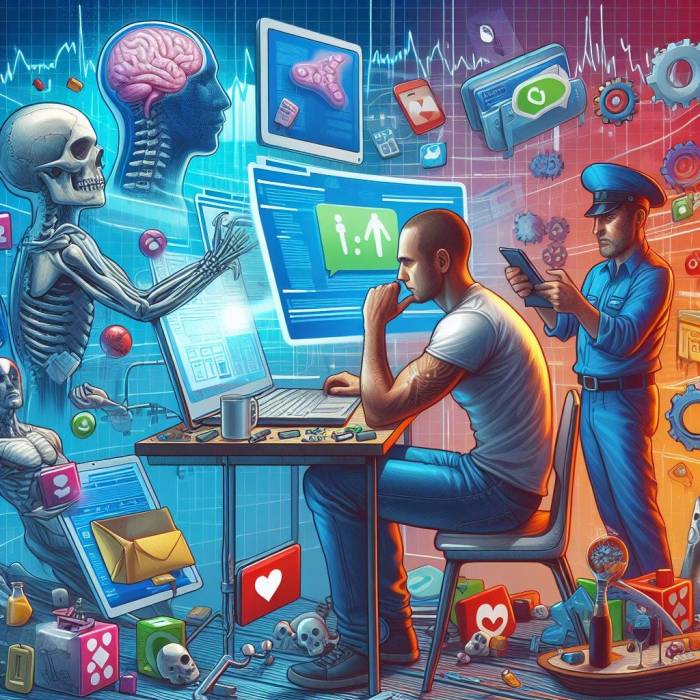
Technology has the potential to positively impact mental health in various ways. From providing access to mental health resources to offering tools for self-care, digital platforms play a crucial role in promoting well-being.
1. Online Therapy and Counseling Services
- Platforms like Talkspace and BetterHelp offer convenient and affordable therapy options for individuals seeking mental health support.
- Virtual therapy sessions eliminate barriers like transportation and proximity to a therapist, making it easier for people to access professional help.
2. Mental Health Apps
- Apps like Headspace and Calm provide guided meditation, mindfulness exercises, and tools for managing stress and anxiety.
- These apps offer users a convenient way to practice self-care and improve their mental well-being on a daily basis.
3. Online Support Communities
- Platforms like Reddit and Mental Health America's online forums create a space for individuals to connect with others facing similar challenges.
- These communities offer a sense of belonging, support, and understanding, reducing feelings of isolation and stigma surrounding mental health.
4. Telehealth Services
- Telehealth services allow individuals to receive mental health care remotely, improving access for those in rural or underserved areas.
- Video calls with mental health professionals can be just as effective as in-person appointments, providing flexibility and convenience for patients.
Strategies for Maintaining a Healthy Digital Lifestyle
In today's digital age, it is crucial to adopt strategies that promote a healthy balance between technology use and mental well-being. By implementing mindful practices, setting boundaries, and incorporating digital detox routines, individuals can safeguard their mental health in the face of constant digital exposure.
Tips for Balancing Screen Time
- Avoid excessive screen time before bed to improve sleep quality and reduce digital eye strain.
- Set specific time limits for different activities on digital devices to prevent overuse.
- Take regular breaks from screens, following the 20-20-20 rule: every 20 minutes, look at something 20 feet away for at least 20 seconds.
- Engage in offline activities such as hobbies, exercise, or social interactions to reduce dependence on digital devices.
The Importance of Setting Boundaries with Digital Devices
- Establish tech-free zones in your home, such as the bedroom or dining area, to promote face-to-face interactions and relaxation.
- Turn off notifications or set specific times to check emails and messages to avoid constant interruptions and maintain focus.
- Communicate openly with family and friends about your boundaries regarding technology use to create a supportive environment.
- Practice mindfulness when using digital devices, being aware of how they impact your mental state and adjusting usage accordingly.
Ways to Incorporate Digital Detox Practices
- Schedule regular breaks from technology, such as a digital detox weekend or daily unplugged hours.
- Engage in activities that promote relaxation and mindfulness, such as meditation, yoga, or nature walks, without digital distractions.
- Use apps or tools that help limit screen time and track usage patterns to better understand your digital habits.
- Encourage social connections offline by organizing gatherings, outings, or events that do not revolve around digital devices.
Impact of Digital Lifestyle on Different Age Groups
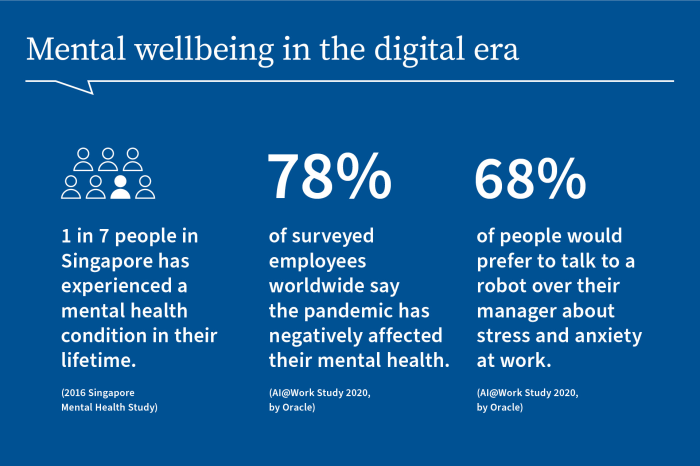
Digital lifestyle has a significant impact on mental health across different age groups. Let's explore how children, teenagers, and older adults are affected uniquely by technology.
Children’s Mental Health
- Digital lifestyle can lead to increased screen time, which may contribute to attention issues and behavioral problems in children.
- Excessive use of digital devices can also affect social development and physical health in children.
Teenagers vs. Older Adults
- Teenagers often experience the pressure of social media and online interactions, which can lead to anxiety, depression, and low self-esteem.
- On the other hand, older adults may face challenges in adapting to rapidly changing technology, leading to feelings of isolation and exclusion.
Unique Challenges and Benefits
- Children benefit from educational resources and entertainment provided by digital devices, but they also face risks of cyberbullying and exposure to inappropriate content.
- Teenagers have the advantage of staying connected with peers but may struggle with the negative effects of social media on their mental well-being.
- Older adults can benefit from technology for communication and access to information, but they may feel overwhelmed by the fast-paced digital world.
Final Conclusion
In conclusion, the intersection of digital lifestyle and mental health presents a dynamic tapestry of challenges and opportunities. By recognizing the profound effects of our digital habits on our mental well-being, we can strive to cultivate a balanced and mindful approach to navigating the digital realm for a healthier mindset.
FAQ Resource
How does excessive screen time affect mental health?
Excessive screen time can lead to issues such as eye strain, disrupted sleep patterns, and increased feelings of anxiety or depression.
What are some strategies for maintaining a healthy digital lifestyle?
Some tips include setting limits on screen time, taking regular breaks from digital devices, and engaging in offline activities for balance.
How does digital lifestyle impact different age groups?
Digital lifestyle can have varying effects on children, teenagers, and older adults, influencing their mental health in distinct ways based on their developmental stages and technological literacy.

