

Exploring the realm of heart health, this guide delves into the significance of adopting the best lifestyle practices to ensure a strong and healthy heart. From balanced diet to stress management, embark on a journey towards optimal heart well-being with valuable insights and practical tips.
Delve deeper into the key components of heart health and discover how simple lifestyle changes can make a significant impact on your overall well-being.
Importance of Heart Health
Maintaining heart health is crucial for overall well-being as the heart is a vital organ responsible for pumping blood and supplying oxygen and nutrients to the body's tissues and organs. Any compromise in heart health can lead to serious health issues and even life-threatening conditions.Heart disease is a leading cause of death globally, with statistics showing that it accounts for a significant number of fatalities each year.
According to the World Health Organization, an estimated 17.9 million people die each year due to cardiovascular diseases, making it the number one cause of death worldwide.There is a strong link between lifestyle practices and heart health. Factors such as poor diet, lack of physical activity, smoking, excessive alcohol consumption, and stress can all contribute to the development of heart disease.
Adopting healthy habits such as eating a balanced diet, engaging in regular exercise, avoiding smoking, limiting alcohol intake, and managing stress can significantly reduce the risk of heart-related complications.
Impact of Lifestyle Practices on Heart Health
- Consuming a diet high in fruits, vegetables, whole grains, and lean proteins can help lower cholesterol levels and maintain a healthy weight, reducing the risk of heart disease.
- Regular physical activity strengthens the heart muscle, improves circulation, and helps control blood pressure and cholesterol levels.
- Avoiding smoking and exposure to secondhand smoke can protect the heart and blood vessels from damage.
- Maintaining a healthy weight and managing stress through relaxation techniques or activities like yoga or meditation can also benefit heart health.
Balanced Diet
Eating a balanced diet plays a crucial role in maintaining heart health. A diet rich in heart-healthy foods can help reduce the risk of heart disease and promote overall well-being.
Heart-Healthy Foods
- Fruits: Berries, citrus fruits, apples, and bananas are excellent sources of vitamins, minerals, and antioxidants that support heart health.
- Vegetables: Spinach, kale, broccoli, and bell peppers are packed with fiber, vitamins, and nutrients that benefit the heart.
- Whole Grains: Foods like oats, quinoa, brown rice, and whole wheat bread provide essential fiber and nutrients for heart health.
- Lean Proteins: Skinless poultry, fish, tofu, and legumes are lean protein sources that help maintain heart health.
Limiting Saturated Fats, Sodium, and Added Sugars
- Saturated Fats: High intake of saturated fats from sources like red meat and full-fat dairy can raise cholesterol levels and increase the risk of heart disease.
- Sodium: Consuming too much sodium can lead to high blood pressure, putting a strain on the heart and increasing the risk of cardiovascular issues.
- Added Sugars: Foods and beverages high in added sugars can contribute to weight gain, inflammation, and heart disease risk.
Benefits of a Balanced Diet
Eating a balanced diet not only supports heart health but also helps maintain a healthy weight, reduces inflammation, and provides essential nutrients for overall wellness. By incorporating a variety of heart-healthy foods and minimizing saturated fats, sodium, and added sugars, individuals can significantly lower their risk of heart disease and other cardiovascular conditions.
Regular Physical Activity
Regular physical activity is essential for maintaining a healthy heart. It is recommended to engage in at least 150 minutes of moderate-intensity aerobic exercise per week, or 75 minutes of vigorous-intensity exercise spread throughout the week.
Comparison of Different Types of Exercises
- Cardiovascular exercises, such as running, swimming, or cycling, are great for improving heart health by increasing heart rate and improving circulation.
- Strength training exercises, like weightlifting or bodyweight exercises, help build muscle mass and improve metabolism, which can contribute to overall heart health.
- Flexibility exercises, including yoga or stretching routines, help improve range of motion and reduce the risk of injury during physical activity.
Tips for Incorporating Physical Activity
- Schedule your workouts like appointments to prioritize physical activity in your daily routine.
- Find activities you enjoy to make exercise more enjoyable and sustainable in the long run.
- Break up exercise into smaller sessions throughout the day if you have time constraints.
- Use active transportation like walking or biking instead of driving whenever possible.
Stress Management
Managing stress is crucial for maintaining heart health as chronic stress can have a negative impact on the cardiovascular system.
Techniques for Managing Stress
- Practice Mindfulness: Engage in activities that help you stay present and focused on the moment, such as meditation or deep breathing exercises.
- Try Meditation: Regular meditation can help reduce stress levels and promote relaxation.
- Yoga: Incorporating yoga into your routine can help relax the body and mind, reducing stress and anxiety.
- Deep Breathing Exercises: Deep breathing exercises can help calm the nervous system and lower stress levels.
Impact of Stress Reduction on Heart Disease Prevention
By actively managing stress through techniques like mindfulness, meditation, yoga, and deep breathing exercises, individuals can lower their risk of developing heart disease. Stress reduction can lead to lower blood pressure, improved heart health, and overall well-being.
Quality Sleep
Sleep plays a crucial role in maintaining heart health. Adequate, quality sleep allows the body to rest, repair, and recharge, supporting overall well-being. Poor sleep habits, on the other hand, can have detrimental effects on heart health.
Importance of Quality Sleep
Establishing a bedtime routine and creating a sleep-friendly environment are key factors in improving sleep quality. A consistent bedtime, relaxing activities before sleep, and a comfortable sleep environment can help promote better sleep.
- Avoiding stimulants like caffeine and electronics before bed can aid in falling asleep faster.
- Keeping the bedroom dark, quiet, and at a comfortable temperature can enhance sleep quality.
- Investing in a comfortable mattress and pillows that support good sleep posture can improve overall sleep quality.
Link Between Sleep Deprivation and Heart Health
Chronic sleep deprivation has been linked to an increased risk of heart disease. Lack of sleep can disrupt the body's natural processes, leading to elevated blood pressure, inflammation, and an imbalance in hormones that regulate heart health.
Concluding Remarks
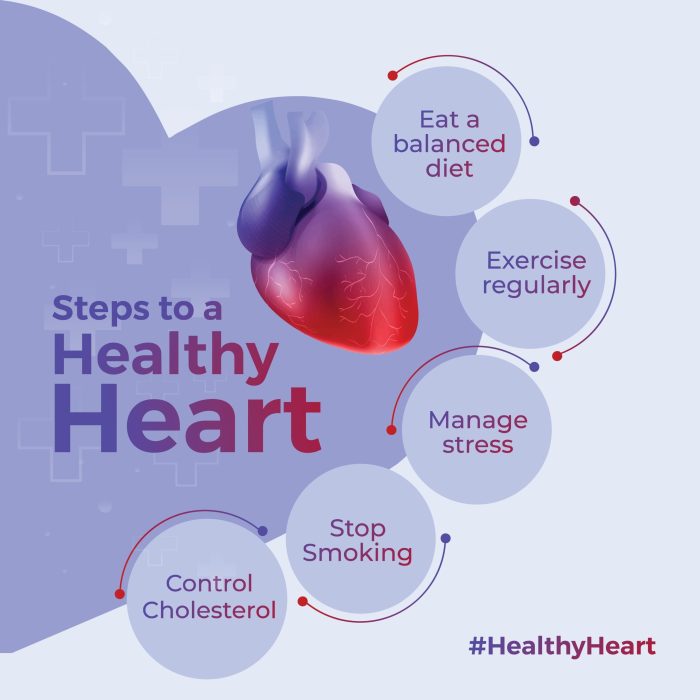
In conclusion, prioritizing heart health through the implementation of best lifestyle practices is essential for a thriving and disease-free heart. By incorporating these habits into your daily routine, you can pave the way towards a healthier future and enjoy the benefits of a strong and resilient heart.
Common Queries
What role does stress management play in heart health?
Stress management techniques like mindfulness and meditation can significantly reduce the risk of heart disease by lowering stress levels and promoting overall well-being.
How does quality sleep impact heart health?
Quality sleep is crucial for maintaining heart health as it allows the heart to rest and recover, reducing the risk of heart disease and related complications.
What are some heart-healthy foods that should be included in a balanced diet?
Include fruits, vegetables, whole grains, and lean proteins in your diet to support heart health and reduce the risk of heart disease.
How can physical activity improve heart health?
Regular exercise helps strengthen the heart muscle, improve circulation, and lower the risk of heart disease by promoting overall cardiovascular health.

