

Exploring the intricate relationship between air quality at home and respiratory health opens up a world of crucial insights. As we delve into the impact of indoor air on our well-being, a fascinating journey unfolds, shedding light on the often overlooked factors that affect our respiratory systems.
In the following sections, we will unravel the complexities of indoor air quality, its repercussions on respiratory health, and practical strategies to safeguard our well-being within our living spaces.
Introduction to Air Quality and Respiratory Health
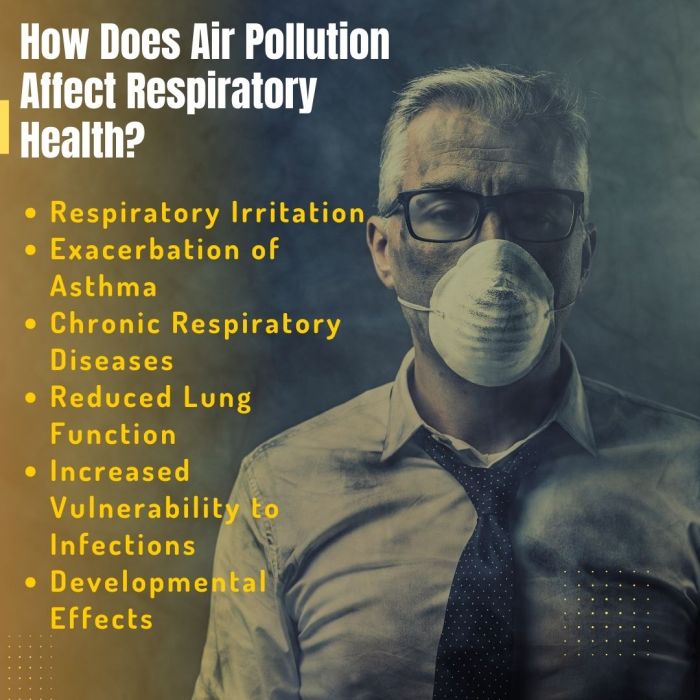
Air quality refers to the cleanliness and purity of the air we breathe, both indoors and outdoors. Poor air quality can have a significant impact on our respiratory health, leading to various health issues and complications.
Monitoring indoor air quality is crucial as we spend a significant amount of time inside our homes. Factors such as dust, pet dander, mold, and chemical pollutants can all contribute to poor indoor air quality, affecting our respiratory system in the long run.
Common Respiratory Issues Caused by Poor Air Quality at Home
- 1. Asthma: Poor air quality can trigger asthma symptoms and exacerbate the condition, leading to difficulty in breathing, wheezing, and chest tightness.
- 2. Allergies: Indoor allergens like dust mites, pet dander, and mold spores can worsen allergies, causing sneezing, nasal congestion, and itchy eyes.
- 3. Respiratory Infections: Bacteria and viruses thrive in environments with poor air quality, increasing the risk of respiratory infections like bronchitis and pneumonia.
- 4. Chronic Obstructive Pulmonary Disease (COPD): Exposure to indoor pollutants can worsen COPD symptoms, leading to coughing, shortness of breath, and increased mucus production.
Factors Affecting Indoor Air Quality
Indoor air quality can be influenced by various factors that impact the presence of pollutants in our living spaces. Understanding these factors is crucial for maintaining a healthy indoor environment.
- Common sources of indoor air pollutants:
Indoor air pollutants can originate from various sources within our homes. These sources include tobacco smoke, cleaning products, pet dander, mold, and dust mites. Additionally, building materials and furniture may release volatile organic compounds (VOCs) that contribute to indoor air pollution.
- How ventilation, humidity, and temperature influence air quality:
Proper ventilation is essential for allowing fresh outdoor air to circulate indoors, diluting pollutants and maintaining good air quality. High humidity levels can promote mold growth, while low humidity can lead to dry air and discomfort. Temperature control is also important, as warm temperatures can increase the concentration of pollutants in the air.
- The role of air filters and purifiers in improving indoor air quality:
Air filters and purifiers are effective tools for removing airborne particles and pollutants from indoor air. HEPA filters can capture small particles like dust, pollen, and pet dander, while purifiers with activated carbon filters can absorb odors and chemicals. Regular maintenance of these devices is crucial for optimal performance in improving indoor air quality.
Health Effects of Poor Air Quality on Respiratory System
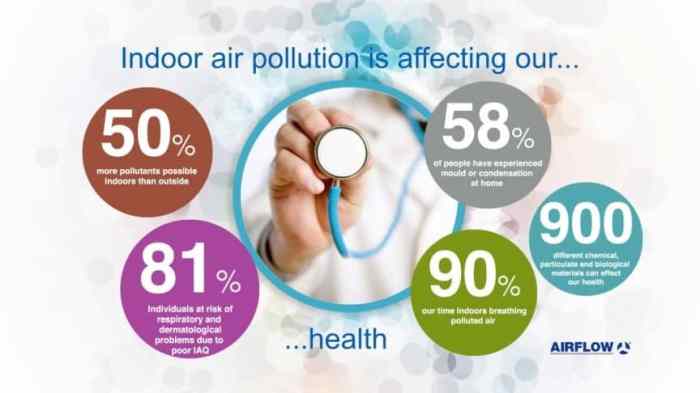
Poor air quality in our homes can have significant impacts on our respiratory health. Various pollutants such as dust, pet dander, mold, and chemicals can contribute to a range of respiratory issues. Understanding how these pollutants affect our respiratory system is crucial for maintaining a healthy indoor environment.
Pollutants and Their Effects
- Dust: Dust particles in the air can irritate the respiratory tract, leading to coughing, sneezing, and even exacerbating existing conditions like asthma.
- Pet Dander: Allergens from pet dander can trigger allergic reactions in individuals, causing symptoms like wheezing, shortness of breath, and congestion.
- Mold: Mold spores released into the air can worsen respiratory conditions such as asthma and allergies, leading to breathing difficulties and other respiratory symptoms.
- Chemicals: Volatile organic compounds (VOCs) from household products can irritate the respiratory system, causing throat irritation, headaches, and dizziness.
Link to Respiratory Conditions
- Asthma: Poor indoor air quality can exacerbate asthma symptoms, leading to increased coughing, wheezing, and shortness of breath in individuals with the condition.
- Allergies: Allergens in the air can trigger allergic reactions in individuals, causing symptoms like itchy eyes, runny nose, and respiratory discomfort.
- Respiratory Infections: Exposure to pollutants can weaken the immune system, making individuals more susceptible to respiratory infections like colds and flu.
Symptoms of Poor Indoor Air Quality
- Shortness of breath
- Coughing and wheezing
- Chest tightness
- Runny or stuffy nose
- Sore throat
Strategies to Improve Air Quality at Home
Maintaining good air quality in your home is essential for your respiratory health. Here are some effective strategies to improve the air quality indoors:
Tips for Reducing Indoor Air Pollutants
- Regularly clean and dust your home to remove allergens and pollutants.
- Use air purifiers with HEPA filters to capture particles in the air.
- Avoid smoking indoors and limit the use of scented candles or air fresheners.
- Keep indoor plants to help naturally filter the air.
Benefits of Maintaining a Clean and Well-Ventilated Home
Maintaining a clean and well-ventilated home can have numerous benefits:
- Reduced risk of respiratory infections and allergies.
- Improved sleep quality and overall well-being.
- Enhanced concentration and productivity.
- Lower energy costs due to improved HVAC efficiency.
Importance of Regular HVAC Maintenance in Enhancing Air Quality
Regular HVAC maintenance is crucial for enhancing air quality in your home:
- Replace air filters every 1-3 months to prevent the buildup of dust and pollutants.
- Schedule annual HVAC inspections to ensure proper functioning and ventilation.
- Clean air ducts and vents to prevent the circulation of contaminants throughout your home.
- Consider installing a whole-house air purifier for comprehensive air filtration.
Final Summary
In conclusion, understanding how air quality at home influences respiratory health is paramount for fostering a healthy living environment. By implementing the suggested strategies and staying vigilant about indoor air pollutants, we can take proactive steps towards ensuring the well-being of ourselves and our loved ones.
Expert Answers
How often should I change the air filters at home?
It's recommended to change air filters every 3 months to maintain optimal indoor air quality.
Can plants help improve indoor air quality?
Yes, certain plants like peace lilies and spider plants can help purify indoor air by removing toxins.
Is opening windows regularly beneficial for air quality?
Opening windows can improve ventilation and air circulation, thus enhancing indoor air quality.

